FREE RETURNS. STANDARD SHIPPING ORDERS $99+

Subscribe To Newsletter
Subscribe to the mailing list to receive updates on new arrivals, special offers and our promotions.
Anti-glare prescription glasses are designed to reduce reflections from the front and back surfaces of prescription lenses. This can make the lenses appear clearer and reduce some of the distracting reflections caused by artificial lighting, screens, headlights and other bright light sources.
At Buy New Specs, anti-reflective coating can be added to suitable prescription lenses depending on the lens type and prescription. It does not change your prescription itself, but it can improve how the lens handles reflected light during everyday use.
AVAILABLE COLOURS
AVAILABLE COLOURS
AVAILABLE COLOURS
AVAILABLE COLOURS
AVAILABLE COLOURS
AVAILABLE COLOURS
AVAILABLE COLOURS
AVAILABLE COLOURS
AVAILABLE COLOURS
AVAILABLE COLOURS
AVAILABLE COLOURS
AVAILABLE COLOURS
AVAILABLE COLOURS
AVAILABLE COLOURS
AVAILABLE COLOURS
AVAILABLE COLOURS
AVAILABLE COLOURS
AVAILABLE COLOURS
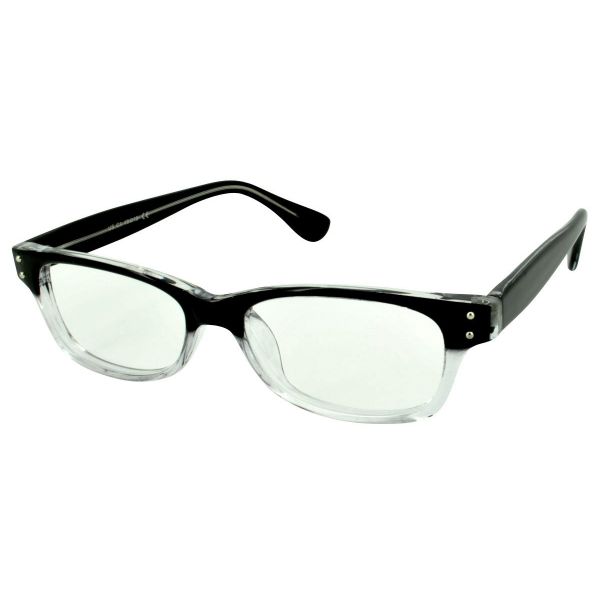
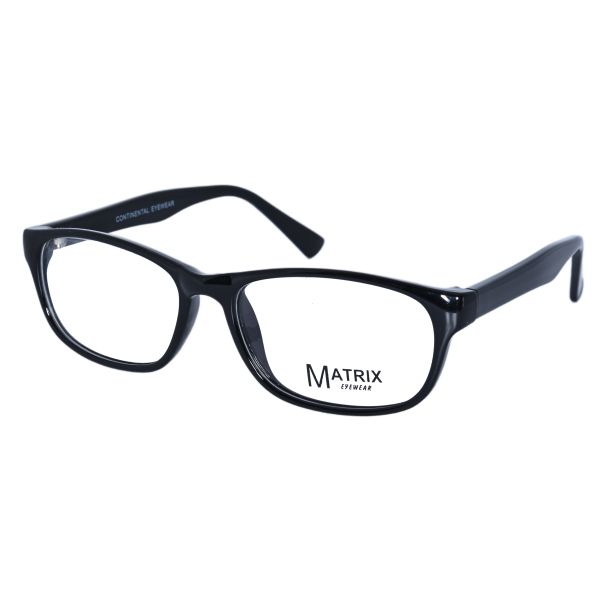
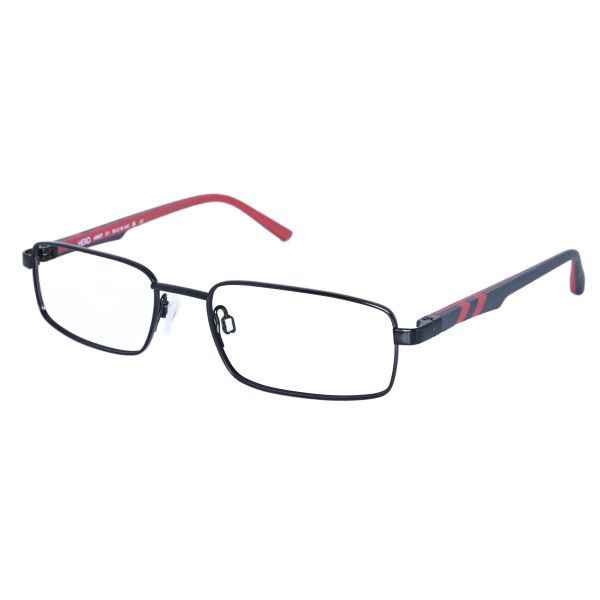
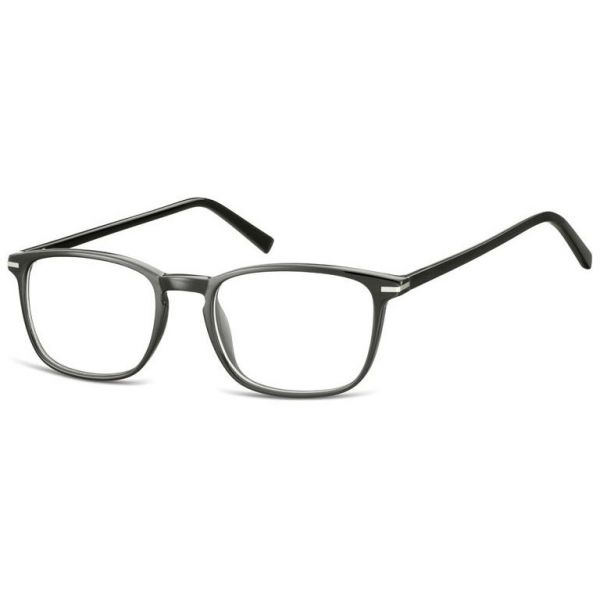
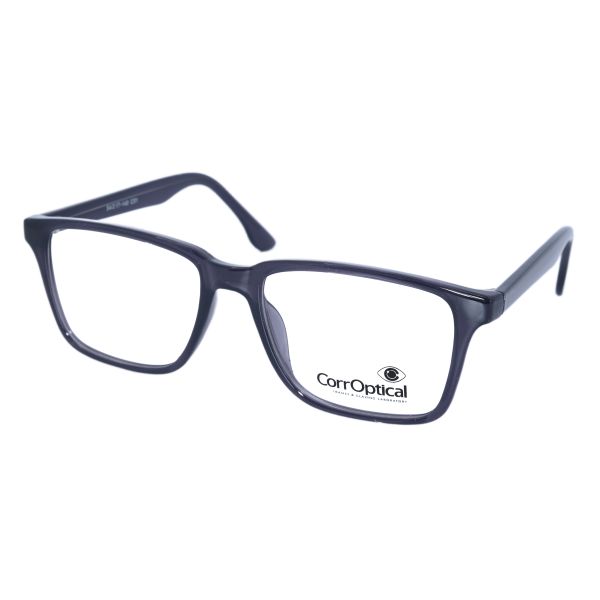
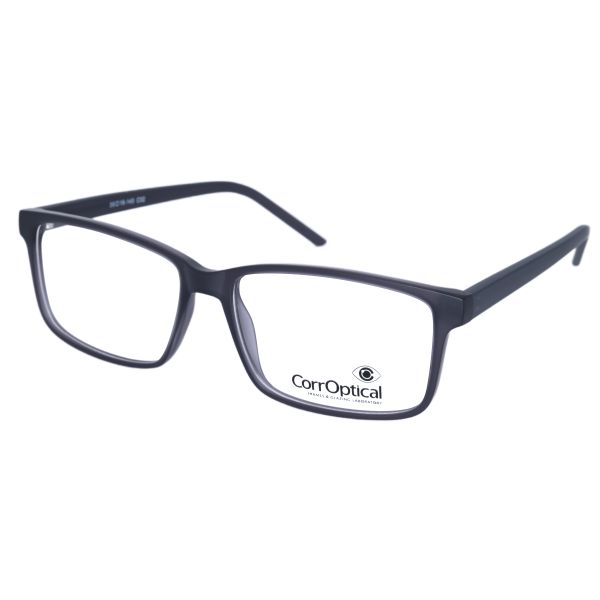
Larger men's plastic frames featuring striking rectangular lenses in a sleek finish!
AVAILABLE COLOURS
AVAILABLE COLOURS
AVAILABLE COLOURS
AVAILABLE COLOURS
Anti-glare prescription glasses use an anti-reflective coating applied to the lens surface. You may also see this described as AR coating, no-glare coating or anti-reflection treatment.
Without this type of coating, some light reflects from the surfaces of the lens rather than passing through it. These reflections can be noticeable under overhead lighting, around headlights, when using screens or when light is coming from several directions.
Anti-reflective coating is designed to reduce these surface reflections, allowing more light to pass through the lens.
The coating itself is usually transparent, although a faint green, blue or other coloured reflection may sometimes be visible when the lenses are viewed from certain angles. This is normal and depends on the specific coating used.
Anti-glare lenses can be useful in many everyday situations where reflections are particularly noticeable.
For people who work under artificial lighting, the coating can reduce reflections from overhead lights on the lens surface.
It may also be useful when using computers, tablets or other screens for extended periods. Anti-reflective coating does not change the prescription or remove all visual discomfort associated with screen use, but it can reduce reflections that appear on the lenses.
If screen use is one of your main concerns, you can also compare our blue light prescription glasses to understand the difference between the two lens options.
Reflections can also be more noticeable when driving at night because of headlights, street lighting and other bright light sources. Anti-glare coating can reduce reflections on the lenses, although it should not be considered a substitute for the correct prescription or suitable driving eyewear.
Standard prescription lenses correct vision but may still show noticeable reflections from their surfaces.
Anti-glare prescription glasses use the same underlying prescription while adding a coating intended to reduce those reflections.
The main difference is therefore not the vision correction itself, but how the lens surface handles incoming light.
Anti-reflective coating can also make the lenses look clearer from the outside. With fewer visible reflections, the eyes may be easier to see through the lenses in conversations, photographs and video calls.
Whether this coating is worthwhile will depend on how you use your glasses and how noticeable reflections are during your normal routine.
Anti-reflective treatment can often be combined with other prescription lens options, depending on the product.
For example, some photochromic lenses can also include an anti-reflective coating. This allows the lenses to change tint outdoors while also reducing reflections from the lens surfaces.
If you regularly move between indoor and outdoor environments, you can compare our blue light prescription glasses to see how photochromic lenses work.
Other options that may be available alongside anti-glare coating include:
Available combinations depend on the prescription, frame and lens package selected.
Before ordering anti-glare prescription glasses, start with your current prescription and the type of lenses you need.
An anti-reflective coating can be useful if you regularly notice reflections when working indoors, using screens, driving at night or moving between different lighting conditions.
It is also worth considering the quality and care requirements of the coating. Different anti-reflective treatments may vary in durability, appearance and compatibility with other lens options.
When cleaning coated lenses, use the care instructions supplied with the glasses. Appropriate cleaning products and a clean lens cloth can help protect the coating from unnecessary wear or scratching.
The best option will depend on your prescription, chosen frame and how you normally use your glasses.
Anti-glare prescription glasses can reduce reflections from prescription lenses and provide a clearer-looking lens surface for everyday use.
If you are unsure whether an anti-reflective coating is suitable for your prescription or would like to compare it with other lens options, call +353 1 554 9650 or email info@buynewspecs.ie, and our team can help you review the available choices.